

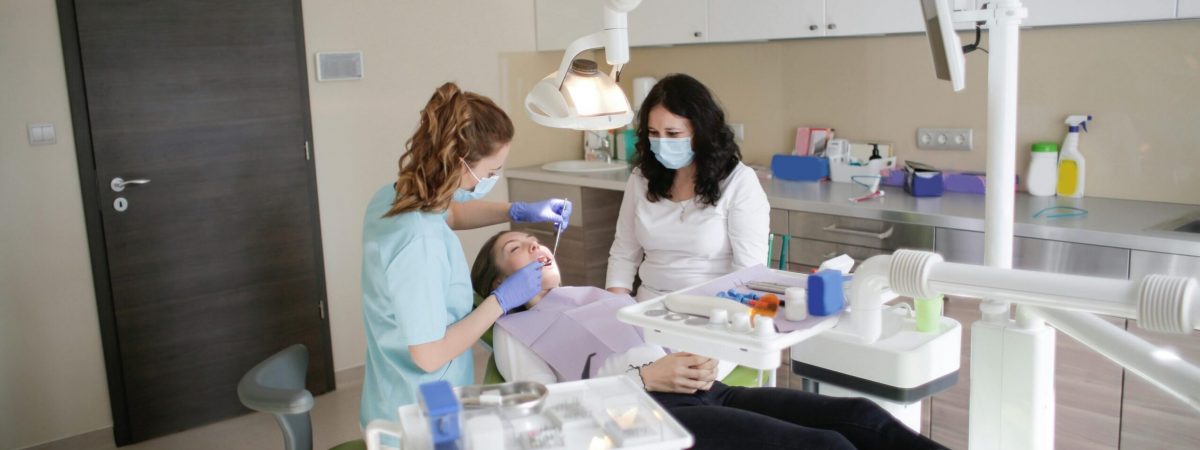
Dental work carried out abroad such as implants, crowns or veneers can give rise to a claim, but these cases are often complex. In Ireland, you generally have 2 years from the date of injury (or when you became aware of it) to take action.
Key points:
- Claims may be taken in Ireland if an Irish agency was involved, otherwise proceedings may be required in the country where treatment took place such as Turkey
- In some cases, both the Irish agent and the foreign dentist may be pursued
- Common issues include nerve damage, infection, poorly fitted crowns/bridges, broken instruments left in canals, and improper implant placement
- Compensation can cover pain and suffering, corrective treatment, loss of earnings, and related travel costs
What to do:
- Act fast speak to a solicitor experienced in medical negligence
- Get an independent dental opinion in Ireland
- Keep all records, receipts, X-rays, and travel details
Potential challenges:
- Jurisdiction and where the claim can be brought
- Delays in obtaining records from abroad
- Language and consent issues
The Package Holidays and Travel Trade Act 1995 may also apply where treatment was part of a package, placing responsibility on the organiser for the services provided.
Key takeaway:
Claims involving dental treatment abroad are time-sensitive and legally complex early legal advice is essential.
If you have any questions our specialized team is here to help.
You can contact McCormack Solicitors on
Email: info@carolmccormacksolicitors.ie
Phone: 071 9621846
www.carolmccormacksolicitors.ie
Disclaimer:
The contents of these pages are provided as an information guide only. While every effort is made in preparing material for publication no responsibility is accepted by or on behalf of McCormack Solicitors for any errors, omissions or misleading statements on these pages or any site to which these pages connect.